

When Heirs Disagree About Selling, Keeping or Renting the Home
Prepare an options discussion that separates family preferences, missing information and the decisions requiring professional advice.
- 2 min read
- 4 clear steps
- Printable checklist
- Free PDF
By RealtyListingCo · Published October 7, 2026 · Reviewed October 7, 2026

Create a neutral discussion record and a list of information needed before any option can be evaluated responsibly.
- Clarify Who Can Decide Before Choosing a RuleAsk the estate attorney who has authority and what approvals apply to a sale, rental, buyout or continued occupancy.
- Give Each Person the Same QuestionsInvite each participant to record their preferred outcome, immediate concern, timing needs and what information could change their view.
- Compare Responsibilities Alongside Possible BenefitsFor selling, list the valuation, authority, condition and transaction questions to investigate.
- Choose the Next Information TaskA first meeting can end with two research tasks rather than a final decision.
Family Disagreement and Delayed Decisions
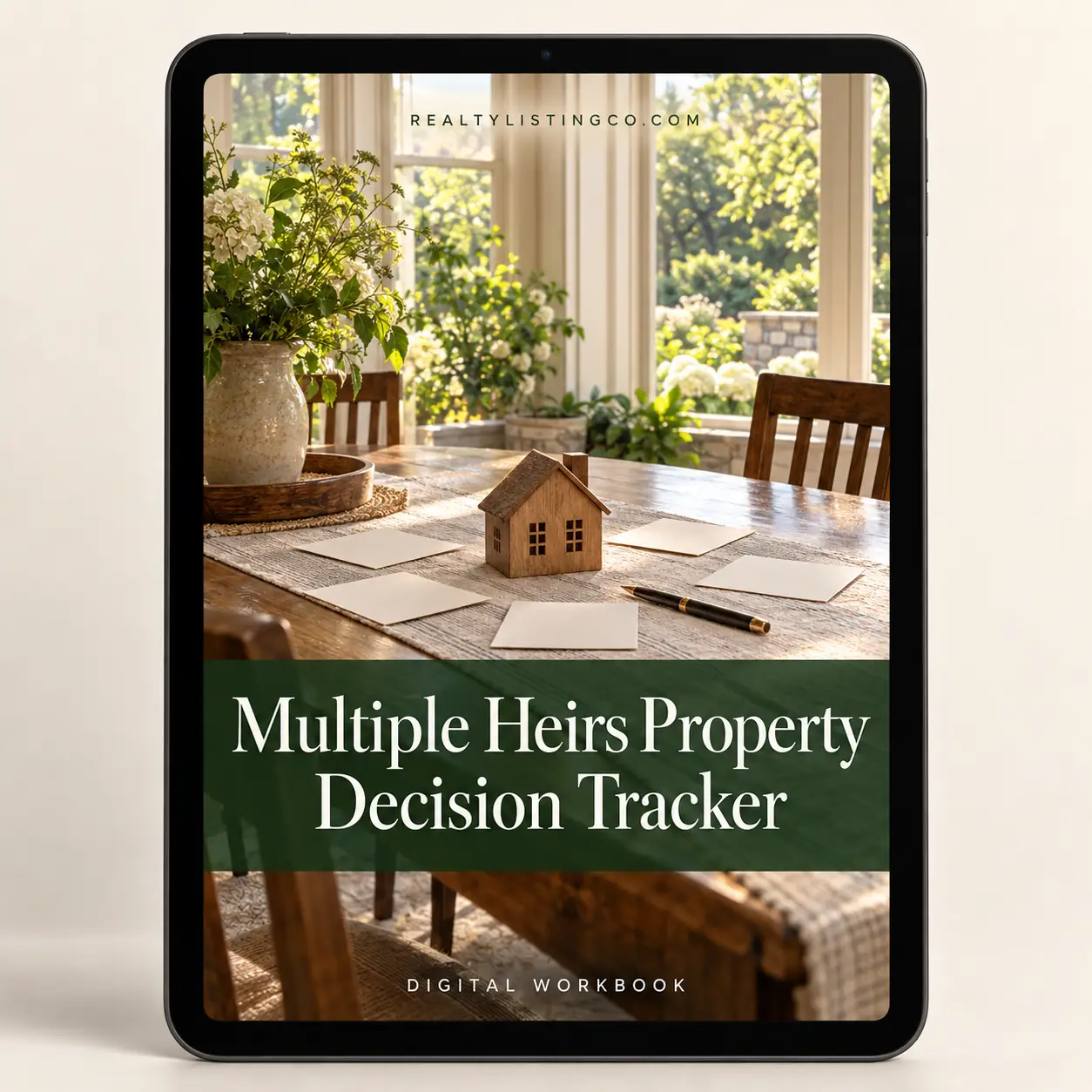
One person wants to sell, another wants to keep the home and someone else proposes renting it. The same conversation repeats because the participants are answering different questions: memories, housing needs, cash, workload and legal authority. A useful first step is to make those differences visible.
§ 1 Step 1 of 4Clarify Who Can Decide Before Choosing a Rule
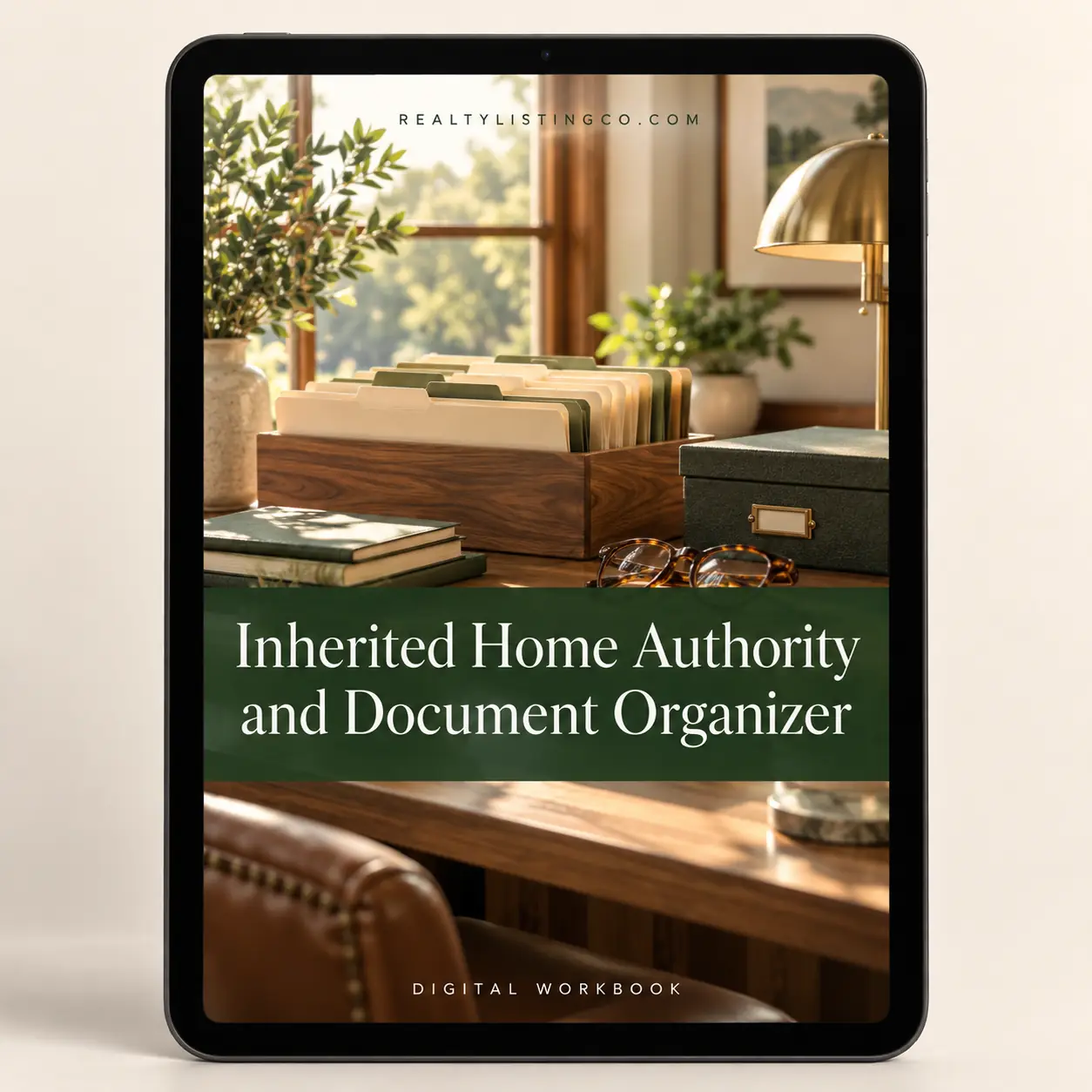
Ask the estate attorney who has authority and what approvals apply to a sale, rental, buyout or continued occupancy. Do not assume the family can decide by majority vote or that an informal agreement changes title or estate duties. California Courts’ probate guidance illustrates the importance of the estate process and representative’s role; requirements in another jurisdiction can differ.
§ 2 Step 2 of 4Give Each Person the Same Questions
Invite each participant to record their preferred outcome, immediate concern, timing needs and what information could change their view. Keep those statements separate from conclusions about rights or shares. If a direct discussion is unsafe or unproductive, use separate professional channels. The goal is a usable record, not pressure to reach a quick agreement.
§ 3 Step 3 of 4Compare Responsibilities Alongside Possible Benefits
For selling, list the valuation, authority, condition and transaction questions to investigate. For keeping or a buyout, ask about funding, ongoing costs and necessary documents. For renting, list management, repairs, insurance, local requirements and a process for future disagreements. Label every amount as a verified figure, an estimate or an unknown. Do not present projected rent as guaranteed income.
§ 4 Step 4 of 4Choose the Next Information Task
A first meeting can end with two research tasks rather than a final decision. Assign a coordinator and a realistic follow-up date, subject to actual legal and transaction deadlines. Record where advice is needed. If someone occupies the home, get advice about occupancy rights; do not change locks, impose rent or direct a move-out based on this guide.
A Practical Example
Two heirs disagree about a rental proposal. Instead of voting immediately, they identify missing information about management work, property condition and insurance. They ask the authorized representative to obtain advice and bring the same information back to the discussion.
Illustrative example, not a case history or a recommended legal outcome.
When to get help
A qualified probate attorney should explain authority and available legal processes. A mediator may help with communication when appropriate, but mediation does not replace needed legal, tax or lending advice. Do not sign a transfer or distribution arrangement before professional review.
Your Family Options Discussion
One thing to do today: Write the three facts the family needs before the next discussion can move forward.
Ticks stay on this page while you read. Print to keep a copy.
One thing to do today: Write the three facts the family needs before the next discussion can move forward.
Appendix B · Sources & further reading
- California Courts — Probate and Property Transfer Overview (California Example). . selfhelp.courts.ca.gov
- NAIC — Insurance Considerations for Moving or Renting a Home. . content.naic.org
Sources last reviewed October 7, 2026
Your next step depends on your situation
Keep this guide for when you need it
Download a printable copy to keep with your papers or share with family. No purchase required, and you can keep reading without giving an email.
- All 4 steps in a printable layout
- The first-step checklist
- Sources and the professional-advice disclaimer
Inherited Home: Keep, Rent or Sell Calculator
Explore an illustrative estimate alongside the questions in this guide.
More Inherited Homes guides All Inherited Homes guides →
What to Organize First After Inheriting a Home
Read the guide →Who Can Act for an Inherited Home Before Decisions Are Made?
Prepare the document and contact record needed to clarify authority, protect information and raise urgent property questions.
Read the guide →Who Handles the Mortgage and Bills While Heirs Decide?
Gather mortgage information and keep a factual payment record without assuming who owes a debt or who must be repaid.
Read the guide →Gathering Value and Tax Records for an Inherited Home
Prepare a document packet for your estate and tax professionals without guessing the home’s tax basis.
Read the guide →Before Listing an Inherited Home, Organize the Document Gaps
Build a document request list so the estate, title and transaction professionals can identify unresolved issues early.
Read the guide →Put the guide into practice Explore Inherited Homes resources →
A note on professional advice. Real estate probate laws, title vesting (how ownership is held) and tax implications vary significantly by state, county and municipality. These educational materials provide a general framework for discussion and preparation only; they do not constitute legal, financial or tax advice. Before signing any agreements or transferring property titles, co-heirs and estate representatives must consult a licensed probate attorney, a qualified estate-planning professional or a Certified Public Accountant (CPA) with relevant expertise in the property’s jurisdiction, as appropriate to the issue. These materials do not establish ownership or authority to act for an estate. Read our full Educational Disclaimer.
The Reading Room · RealtyListingCo · Free educational guides